The untold realities of fundraising as a Sri Lankan startup
How fluencr, a Sri Lankan influencer marketplace, is navigating the complexities of fundraising.
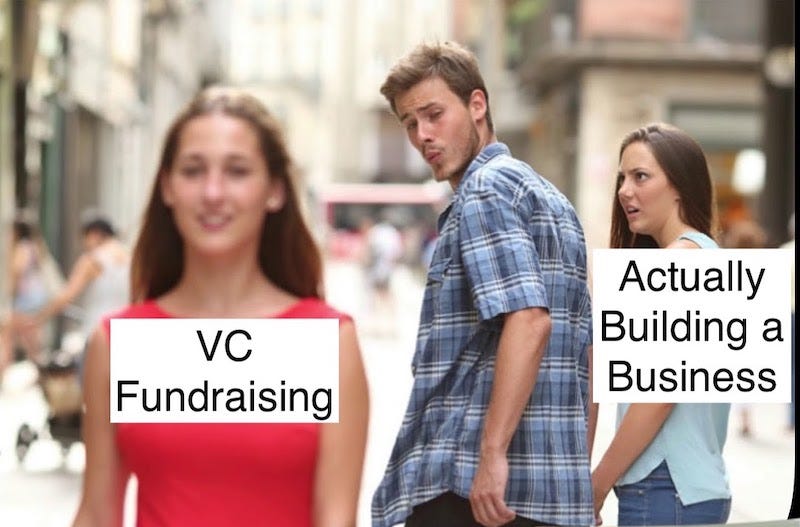
Fundraising is an interesting concept. At its core, you're asking someone to put money into your company with the promise of delivering it back tenfold, but with zero guarantee.
Consider this: the vast majority of venture capital (VC) investments don't actually yield returns. Data suggests that only about 25% of VC-backed startups achieve success, with the rest either breaking even or failing altogether. Despite these odds, the allure of "hitting it big" keeps the ecosystem alive.
If there's anything I've learned over the past few months of experimenting with fundraising, it's that there are no set rules to it, just like with most things in life. A lot of it boils down to luck, timing, and how well you can sell yourself and your vision.
We spend hours perfecting a pitch deck, but let's be real, sometimes, the deck is just a formality. If you can connect with someone on a deeper level, that's often enough to secure their investment. It's less about the slides and more about the story you're telling.
Media often portrays fundraising as a glamorous, almost celebratory milestone. But in reality, it's messy. It's emotional. It's draining. Beyond the numbers and valuations, there are countless unspoken challenges. For example, some investors might ask for 30% of your company in exchange for a small ticket size, effectively undervaluing your hard work. And, yes, I've learned that you can even raise money through barter deals. The world of fundraising is anything but straightforward.
Then there's the infamous chicken-and-egg problem. If you're a founder coming from a humble background, pumping your own salary into your startup, and balancing a full-time job to cover life's financial responsibilities, you're likely seen as a red flag by investors. They want founders to be focused full-time on their startup.
But here's the catch: how are you supposed to sustain yourself while focusing full-time on your startup? Who's going to pay your bills? This expectation implicitly assumes that founders have access to external wealth or financial support, a privilege not everyone has. It's a glaring disparity that rarely gets addressed in the glossy success stories.
Sri Lanka's startup ecosystem faces enormous challenges that hinder its growth and development. Investors from outside Sri Lanka, such as from Japan, Hong Kong, Singapore, and India, often require us to incorporate companies in judicial systems that offer strong legal frameworks, such as Singapore. They seek assurance that in case of complications, the legal system will resolve it quickly, unlike in Sri Lanka, where processes tend to drag. This is a significant barrier to attracting foreign investment, causing reluctance among those interested.
The truth is, fundraising isn't as glamorous as it's made out to be. Beneath the headlines and the success stories lies a world of struggle, compromise, and sacrifice. The next time you hear about a founder closing a big round, remember that it likely came with a fair share of sleepless nights, tough conversations, and moments of doubt.